I keep noticing the same thing, town after town: the interconnected forces of consumerism, economic decline, and cultural erosion in post-industrial and rural America, and how big-box retail capitalism has quietly rewritten local identity underneath it. The omnipresence of a handful of corporate giants is the through-line. Consolidating that much economic power has reshaped not just how Americans work and shop, but how they see themselves, their communities, and their place in the nation’s story.
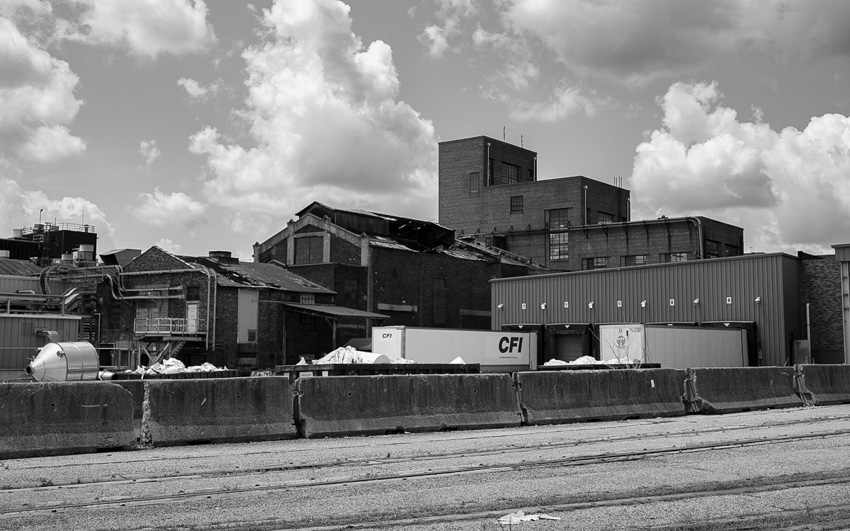
Where once small businesses, tradesmen, and local factories formed the backbone of community economies, providing both material well-being and a sense of shared identity, today’s economy is defined by dependence on low-wage, high-turnover service jobs concentrated in sprawling retail centers. In many former company towns and industrial hubs across the Midwest and South, the factory whistle has been replaced by the Walmart intercom. The same workers who lost manufacturing jobs in the wake of globalization now find themselves stocking shelves, scanning barcodes, and selling imported goods to neighbors who, like them, can no longer afford products with a “Made in the USA” label.
This is not just an economic shift, it is a cultural and psychological rupture. Towns that once had a unique local flavor, shaped by their industries, their geography, and their people, are increasingly indistinguishable. The strip malls, fast food franchises, and superstores are the same in Idaho as they are in Pennsylvania, eroding the distinctiveness of place and the pride of belonging. Main Streets are boarded up. Downtowns echo with absence. The rituals of shopping, once rooted in personal relationships and local interdependence, have become mechanical, anonymous, and transactional.
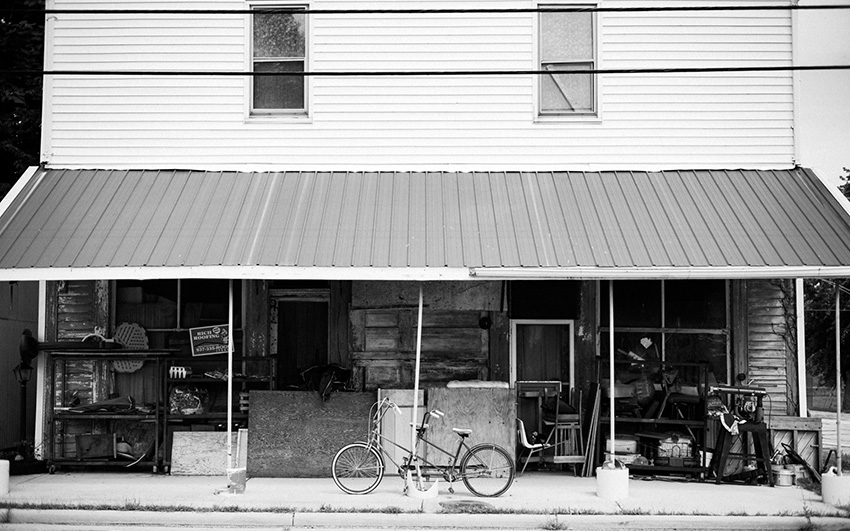
The consequences go beyond mere aesthetics. These economic and cultural transformations have left deep social scars: chronic health issues exacerbated by food deserts and sedentary lifestyles, generational poverty, rising addiction and depression rates, and the steady erosion of civic engagement. Many of the regions hardest hit by these forces have become strongholds of political populism. And not as a purely political phenomenon, but as a symbolic cry to “Make America Great Again,” to restore a sense of meaning and dignity that was stripped away along with the factories and jobs.
What emerges is a self-reinforcing system: the retailer becomes the employer, the grocer, the pharmacy, and the only viable place to spend a paycheck. Economic dependency collapses into cultural dependency. What I’m photographing feels less like art and more like a documentary. The faces, spaces, and forgotten histories behind the slogans and headlines. The uniformity of modern consumer culture set against the ghostly remnants of a more diverse economic past. Not to build an argument out of it, just to keep some record of what’s been lost alongside what’s changed.
It’s the tension I keep circling back to: the seductive convenience of mass consumption against the deep human need for autonomy, place, and purpose.