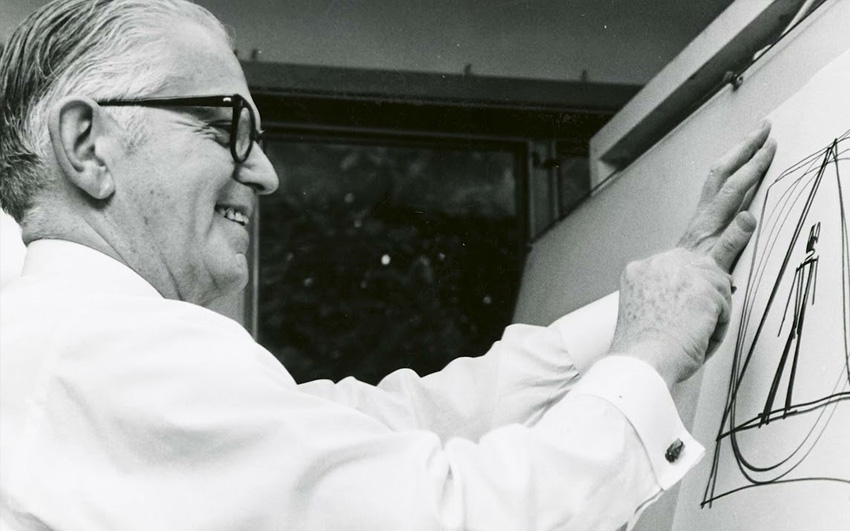
Dreyfuss was born in New York in 1904 to a family in the theatrical materials supply business. He began as a stage designer. From 1923 he worked for the Strand Theater and later for the RKO Orpheum chain. He assisted Norman Bel Geddes on the 1924 Broadway hit The Miracle, and by 1928 he had produced about 250 stage sets.
In 1929 he won a Bell Laboratories “phone of the future” competition and opened his own office on Fifth Avenue. He married Doris Marks in 1930, and she became the firm’s business manager.
The work that followed was everywhere: the Bell Model 300 desk telephone, introduced in 1937, stayed the standard until the Model 500 replaced it in 1949 and 1950. A Westclox Big Ben alarm clock, a Hoover vacuum cleaner in 1936, John Deere tractors from 1938. On June 15, 1938, the New York Central put streamlined train sets he designed on the 20th Century Limited, with a J-3a Hudson steam locomotive in front.
Dreyfuss created the new housing design for the Royal Quiet DeLuxe typewriter in 1945. This second generation shell was available in 1948 and 1949, sometimes called the “Tuxedo” or part of the “Gray Magic” line. It featured distinct glass tombstone-shaped keys, crinkle paint finish, and an industrial aesthetic.
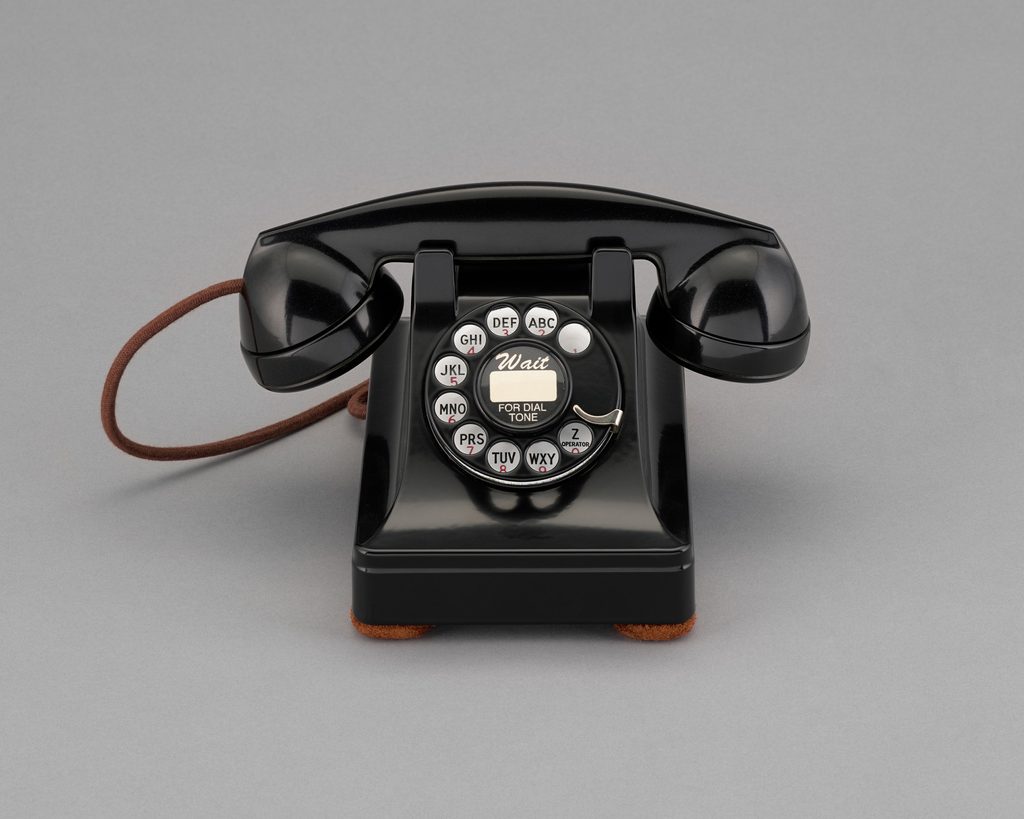
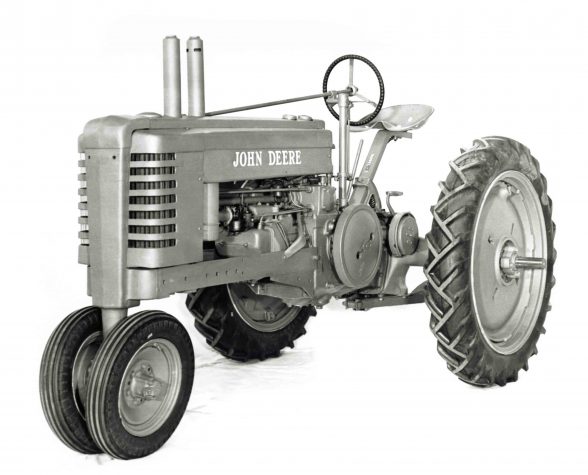
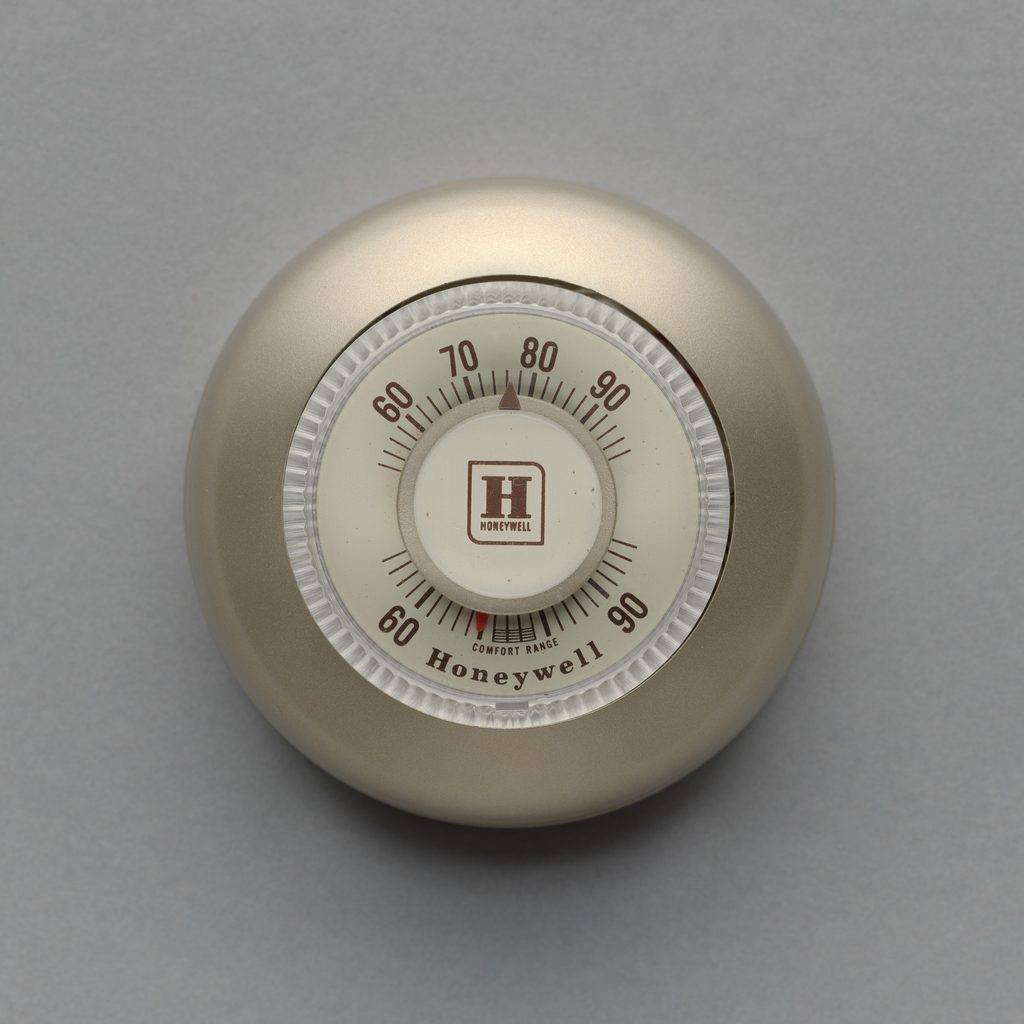

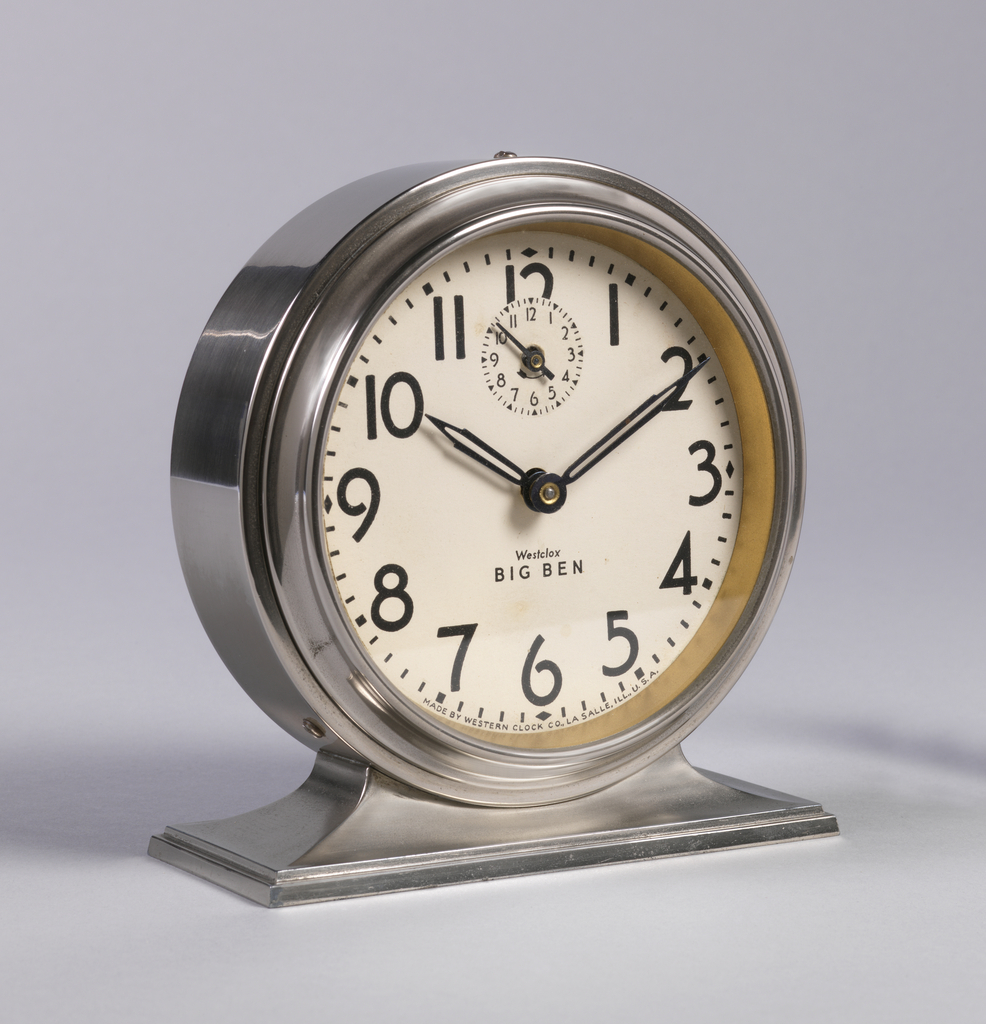
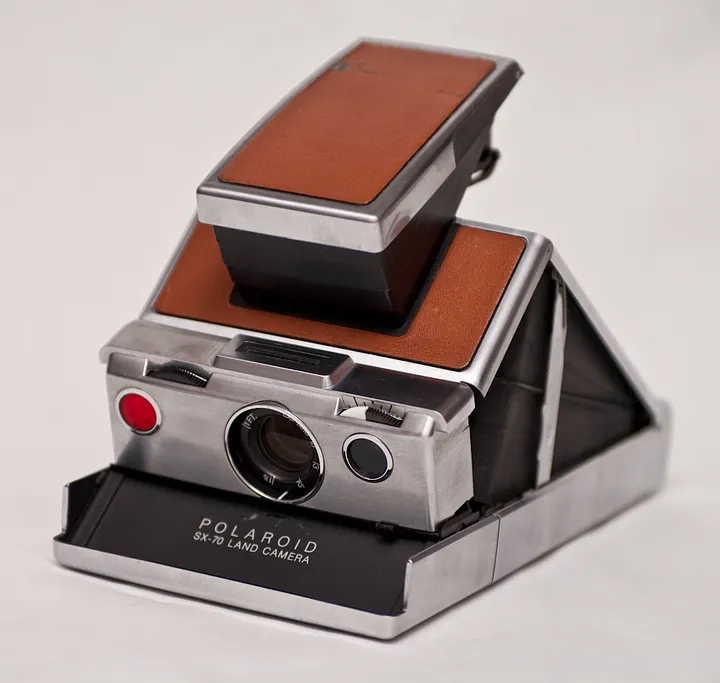
After the war the firm designed the interiors of the ocean liners SS Independence and SS Constitution, the Honeywell Round thermostat in 1953, the Princess telephone in 1959, and the Polaroid SX-70 camera in 1972. EBSCO reports that Dreyfuss was proudest of the prosthetic devices his firm developed during the Second World War.
He was the first president of the Industrial Designers Society of America, in 1965, and retired from the firm in 1969. He died on October 5, 1972, in South Pasadena, California. He and Doris died together by suicide. She was terminally ill.
The Human Factor
Henry Dreyfuss built his career around a design philosophy centered on human-factors engineering (ergonomics), applied common sense, and user-first functionality. Rather than treating design as pure artistic styling or superficial decoration, he believed that mass-produced objects must be meticulously shaped around human anatomy, behavior, and physical comfort. He famously stated:
“When the point of contact between the product and the people becomes a point of friction, then the industrial designer has failed. On the other hand, if people are made safer, more comfortable, more eager to purchase, more efficient — or just plain happier — by contact with the product, then the designer has succeeded.”
Good design removes obstacles between the user and the machine. He integrated form, engineering, manufacturing, and marketing into a single, cohesive process. The inner mechanics and human touchpoints dictated the exterior shape rather than a pre-imposed aesthetic style.
Dreyfuss quantified the human body to ensure products fit real people. His seminal reference book, The Measure of Man (1960), compiled extensive bodily dimensions and movement ranges to guide industrial planners. His later work culminated in the Symbol Sourcebook, establishing standard global visual languages to cut across literacy and language barriers.